Published : 2025-06-24
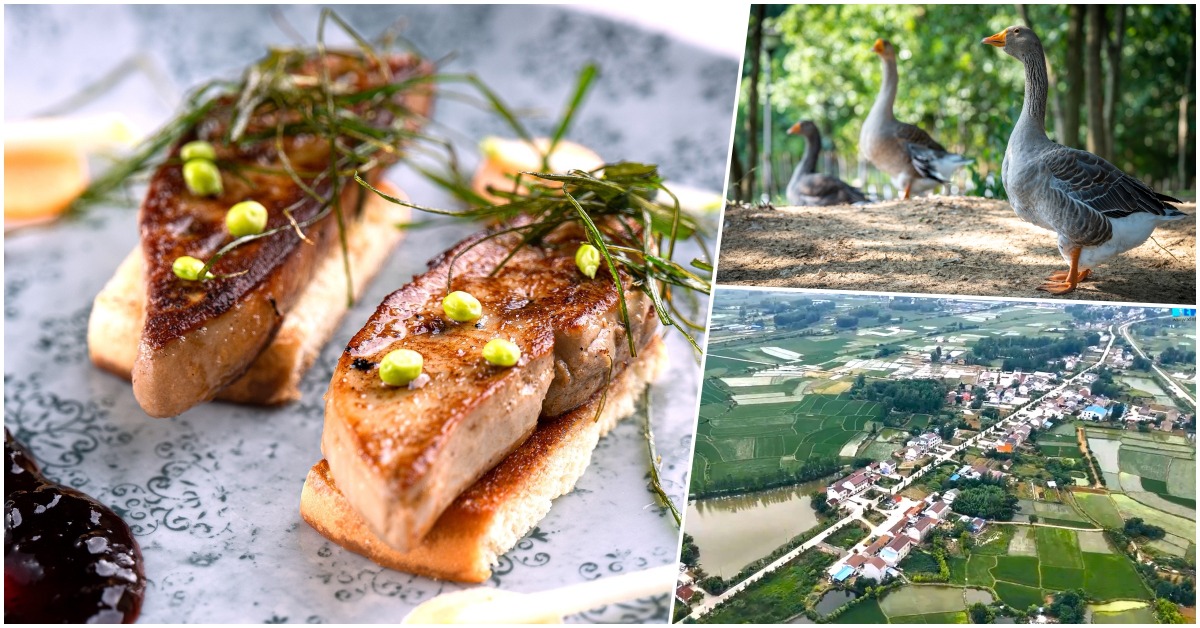
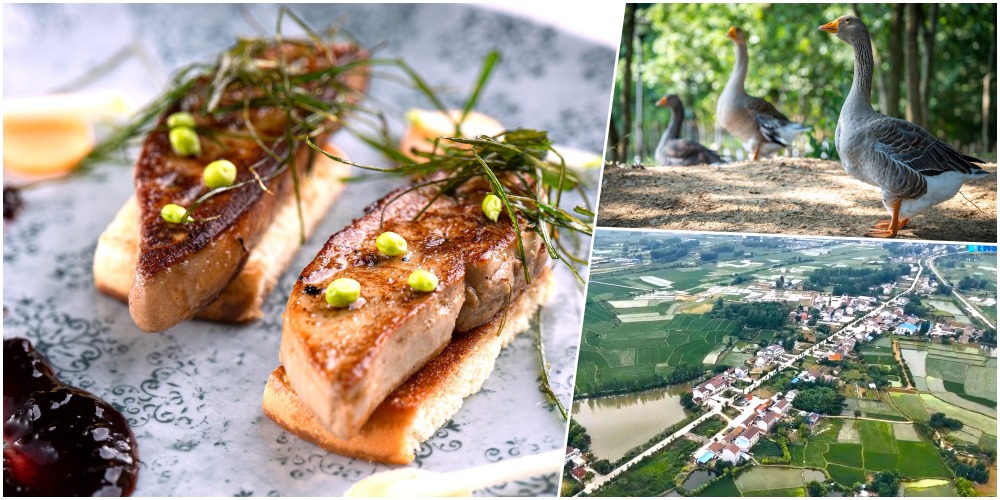
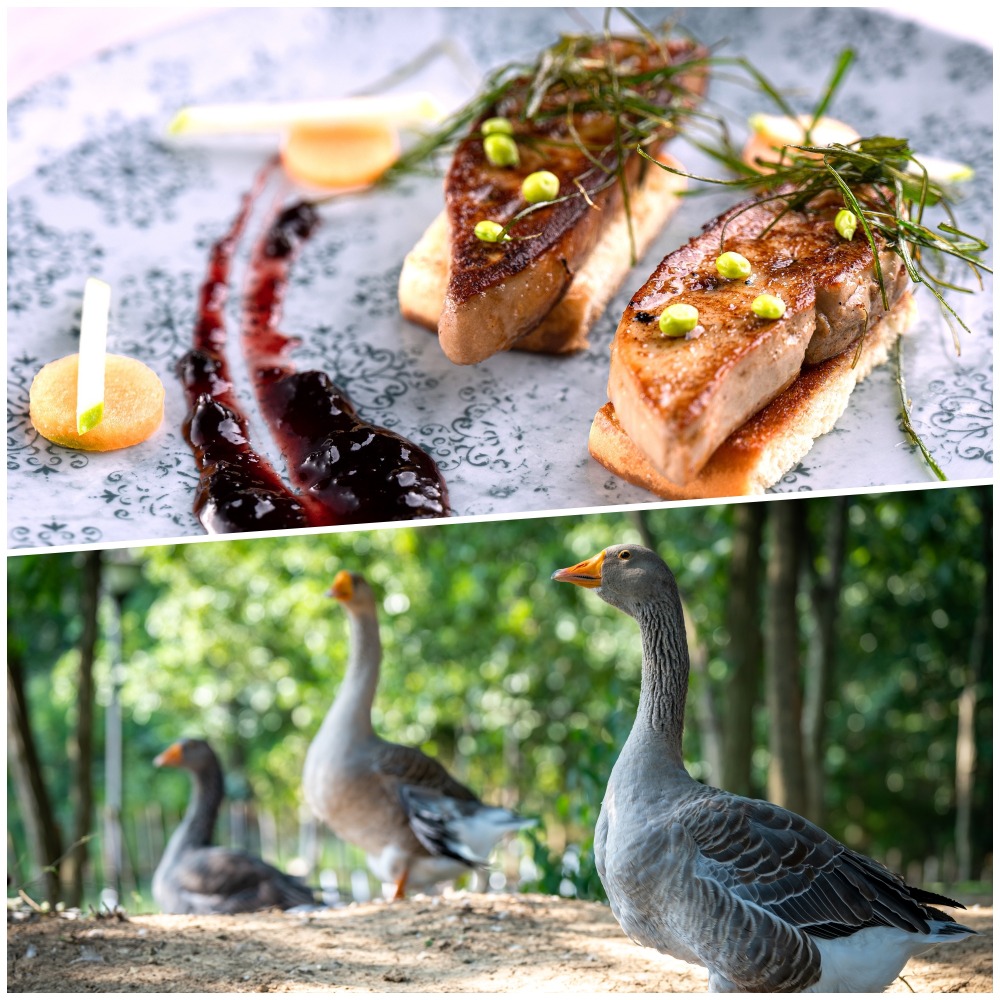
When mentioning foie gras, one of the "world's three great delicacies", you might first think of France. However, the foie gras you are savouring nowadays is most likely produced in China.
Lu'an City (六安市), located in central China's Anhui Province, has become one of the main production areas of this high-end gourmet.
How did French geese "fly" here? Let's take a look at this low-key county in China.
China-produced foie gras offers superior cost-performance

French foie gras uses fat liver. Traditionally, it is made from the liver of the Landes goose, which originates from the Landes region in southern France.
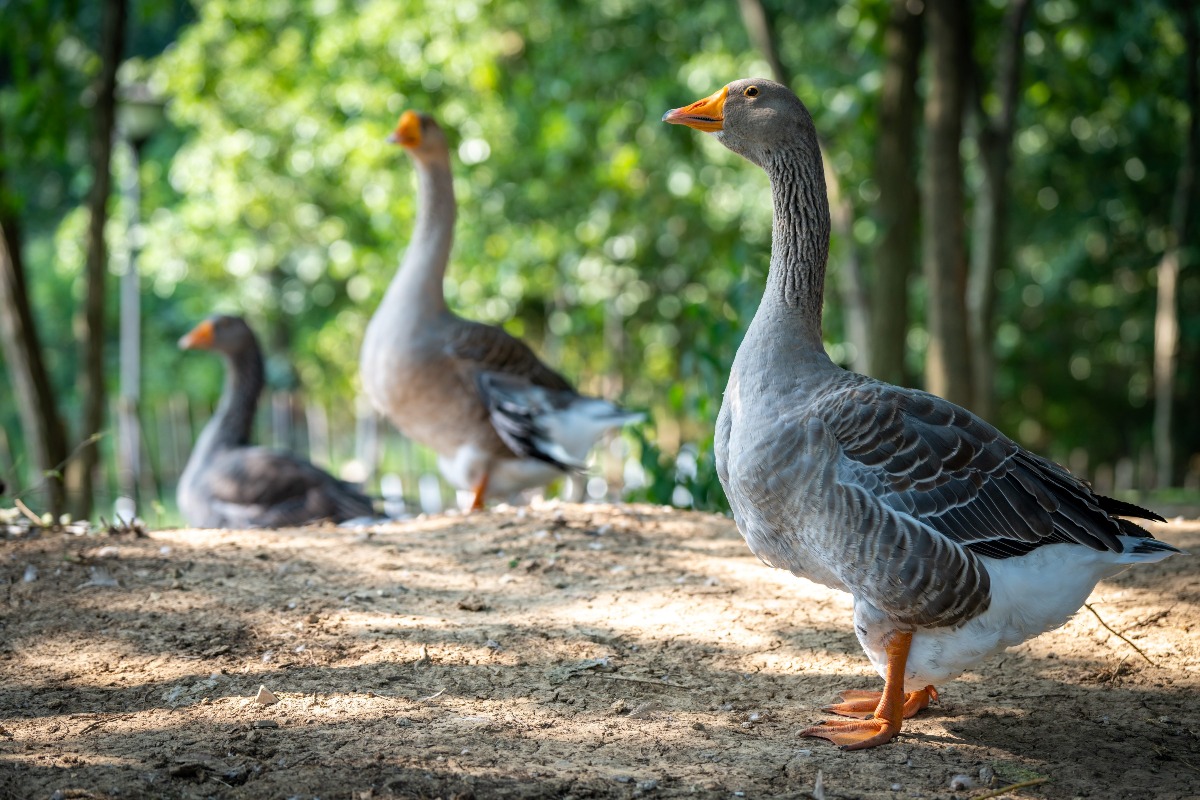
According to Chinese media reports, China's foie gras production now accounts for 45% of the global total.
Cost-effectiveness is one of the factors behind the development of Chinese goose liver.
According to the Hidden Local Specialties Report of Taobao, the Chinese e-commerce giant, based on unit gram price, imported foie gras averages 0.87 RMB per gram, while China-made foie gras averages 0.52 RMB per gram.
For a 250-gram piece of foie gras, the imported one costs 218 RMB, while the domestic one costs only 131 RMB.
In China, Huoqiu County (霍邱縣) in Anhui's Lu'an City and Linqu County (臨朐縣) in Shandong Province, are the main foie gras producing areas.
Linqu, Shandong, was the first place in China to introduce Landes geese. In 1988, a company in Linqu imported 10,000 Landes geese from France, marking the start of the local foie gras industry.
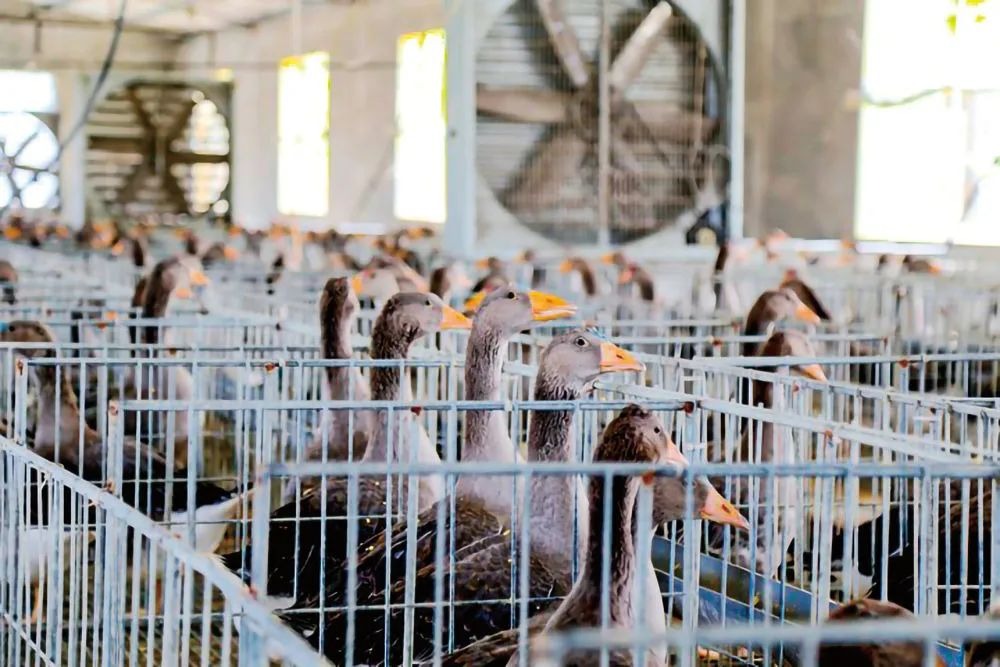
Subsequently, breeders in Huoqiu County, Anhui, introduced Landes geese from Shandong, further establishing the breed in Huoqiu.
Huoqiu County: China's largest foie gras production base
Huoqiu County, located among the Dabie Mountains and on the southern bank of the middle reaches of the Huai River, has abundant water systems and a strong foundation in agriculture and animal husbandry. About half of China's foie gras exported globally is produced here.
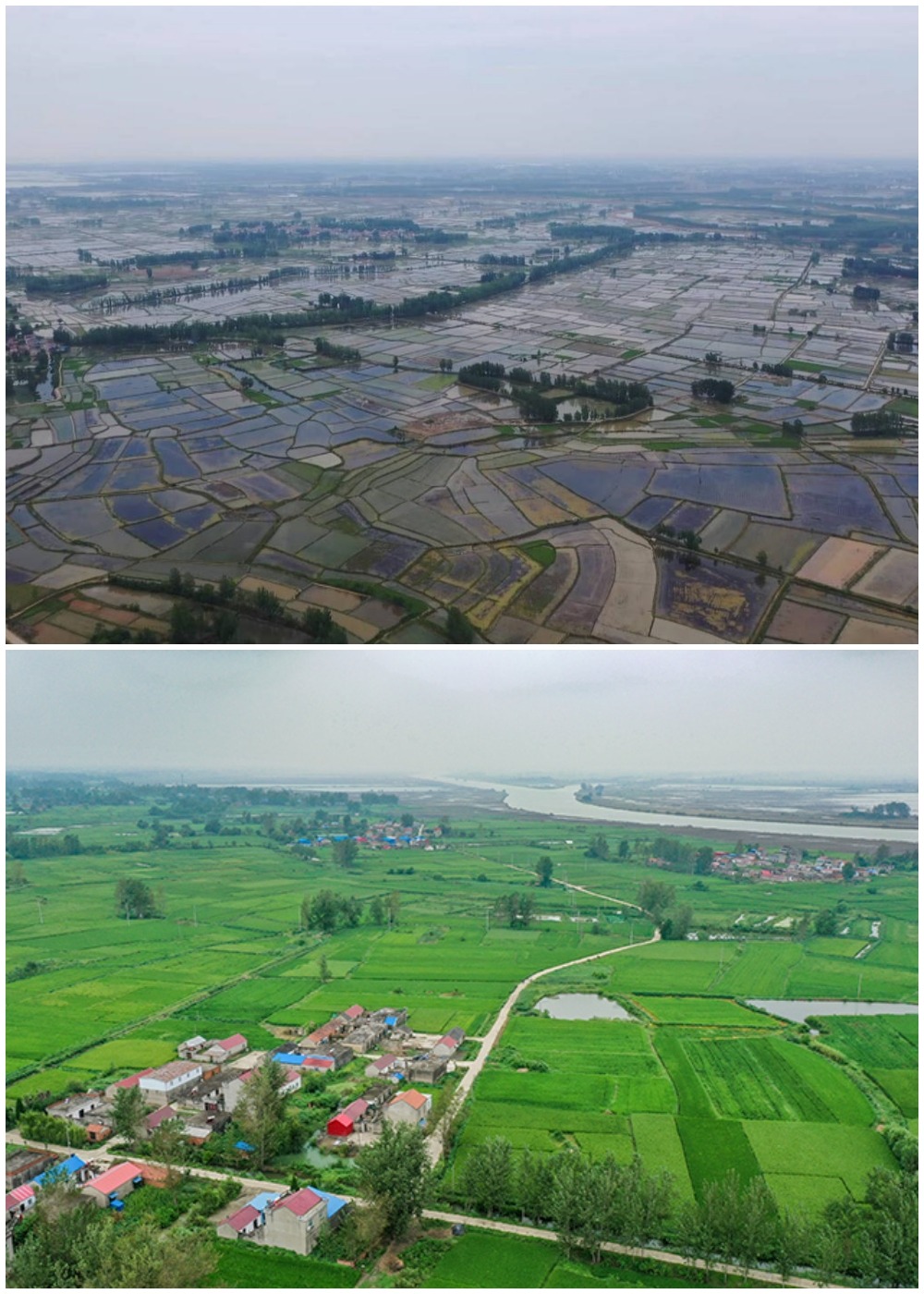
Lu'an has a foundation for goose farming and its high-quality "Wanxi White Goose" (皖西白鵝) has long been famous, earning the region a reputation as the "Hometown of White Geese" and the "Capital of Down."
Later, local farmers introduced French Landes geese from Shandong around 2003.
"Landes geese are also well-suited to the local natural conditions, and the farming techniques and feed requirements are similar to those of Wanxi White Geese, so the farming process has progressed quite smoothly," said Hu Jianyuan, one of the farmers from Huoqiu who introduced Landes goslings from Shandong.
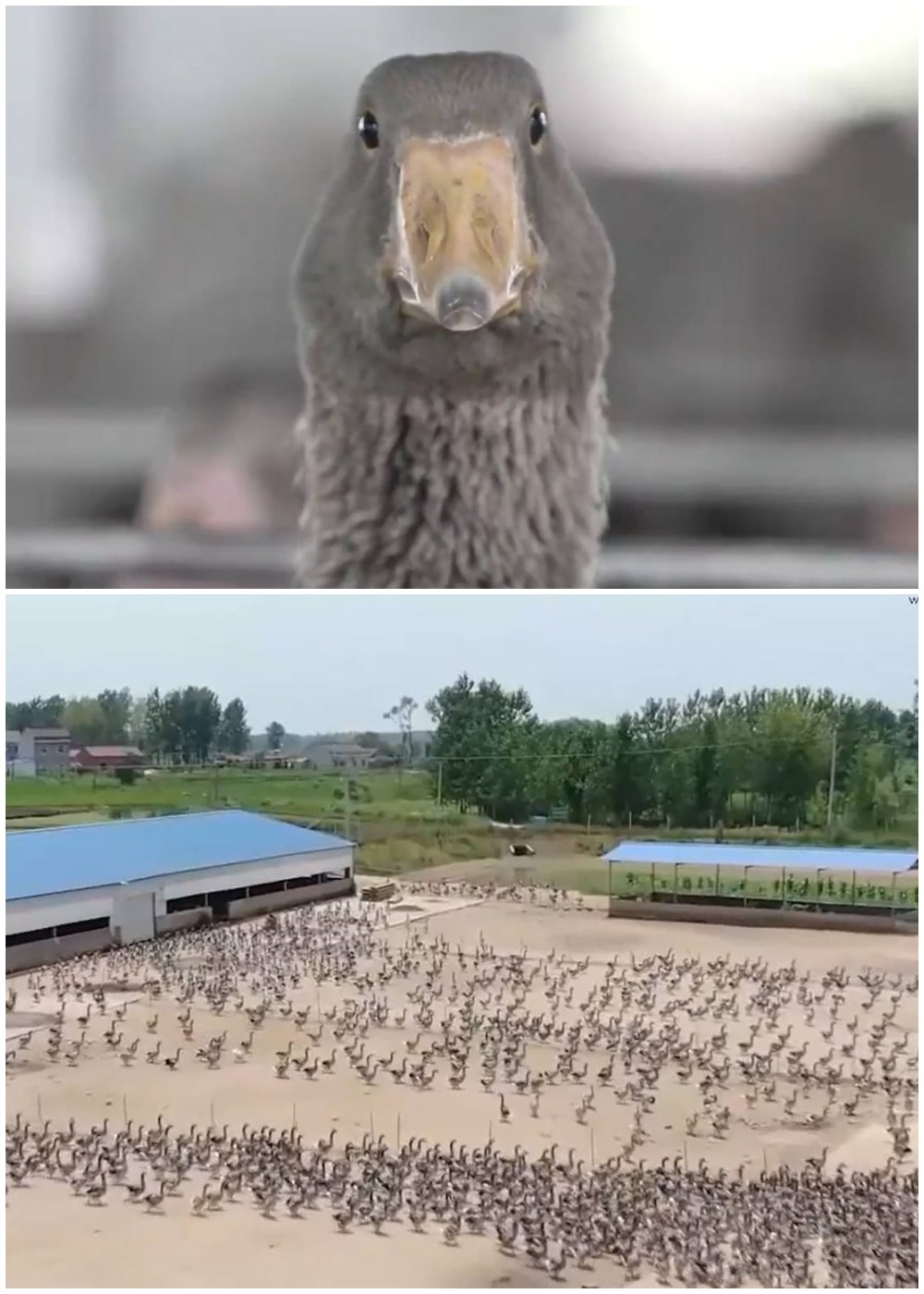
Currently, the production of foie gras in Huoqiu accounts for more than one-third of the national total. "Huoqiu Foie Gras" has also been recognised as a trademark of Geographical Indication (GI) in China.
Now, Huoqiu has become the largest county-level foie gras production and processing base in the country.
According to statistics, there are more than 140 Landes goose farming enterprises in the area, with an annual farming and processing capacity of 4 to 5 million Landes geese.
The annual production of foie gras in Huoqiu exceeds 5,000 tonnes, with a comprehensive annual output value close to RMB 2 billion.
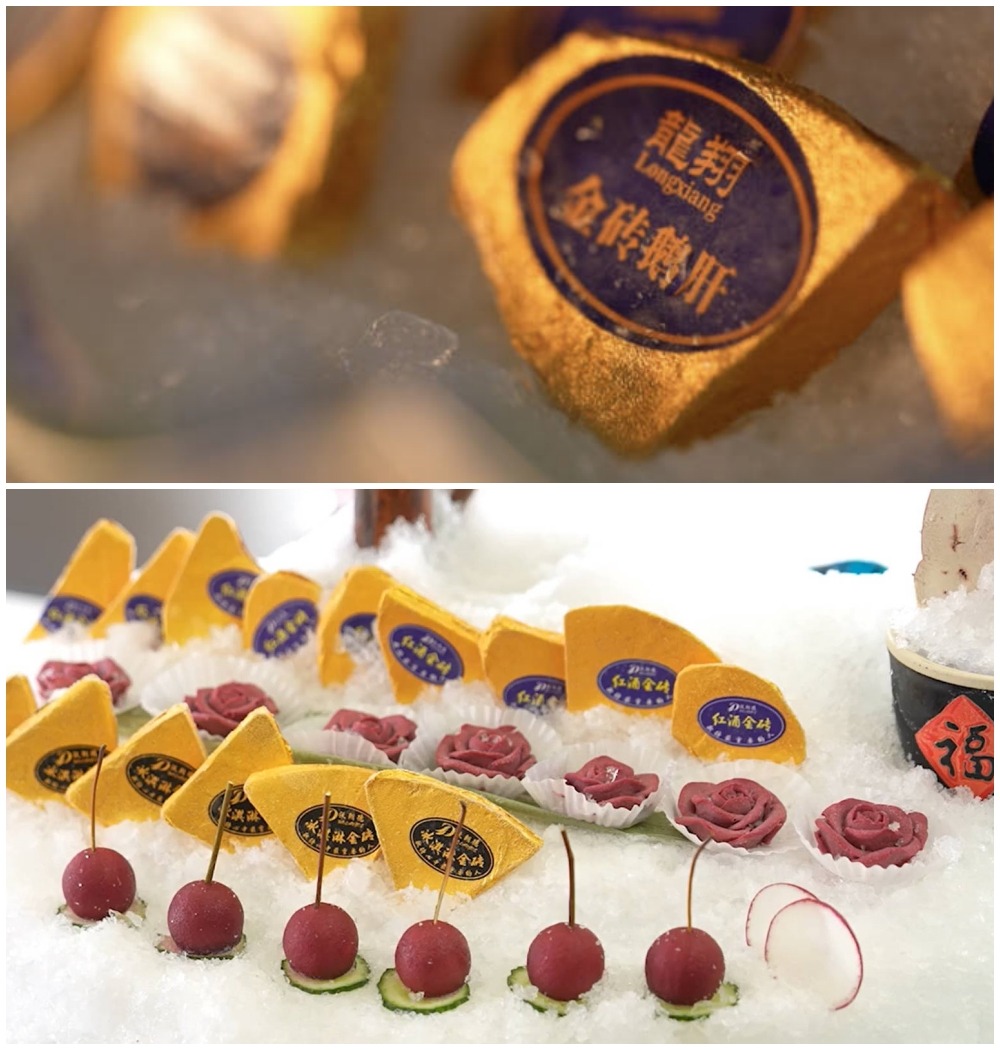
Foie gras production enterprises in Huoqiu County continue to innovate, launching small pack instant varieties such as cherry foie gras, ice cream foie gras, red wine foie gras, and sake foie gras, in order to solve the problem for many customers who want to eat foie gras but do not know how to cook it.
The foie gras industry drives prosperity in Huoqiu
From breeding geese, farming, force-feeding, slaughtering, deep processing to comprehensive utilisation of waste, in over 20 years, the French geese have driven the formation of a comprehensive industrial chain worth tens of billions of RMB in the local area.
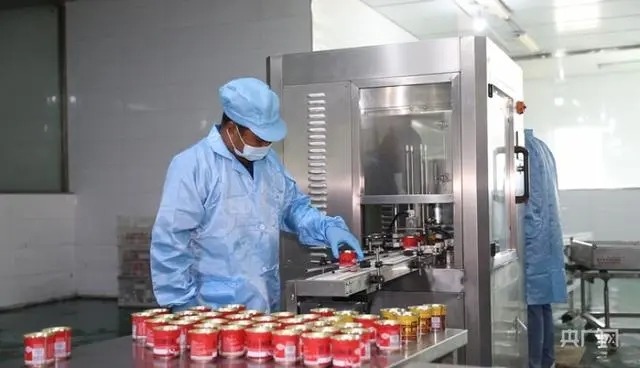
A representative from Huoqiu County Youxi Food Co., Ltd. said that many of the company's workers are rural women.
"Since the establishment of the company, we have provided more than 100 jobs in the townships, with monthly incomes ranging from RMB 3,000 to 5,000. Moreover, every year, workers have spring and autumn harvesting holidays, so they do not miss the planting and harvesting seasons."
As a national-level poverty-stricken county, during the period from 2014 to 2020, Huoqiu County lifted more than 73,000 households, nearly 170,000 people, out of poverty.
The local area has also cooperated with institutions such as the Anhui Academy of Agricultural Sciences, Anhui Agricultural University (AAU), and some science and technology colleges in Anhui to establish an enterprise technology R&D centre.
This centre focuses on researching key issues including scientific force-feeding methods for Landes geese and genetic degradation in the breed.

Today, Huoqiu foie gras and Linqu foie gras have become renowned local "specialities".
Some enterprises are now attempting to make this "world-class delicacy" more accessible to the general public through livestreaming sales and product innovations, effectively bringing premium gourmet products within reach of ordinary households.
Read more: 60% of world's caviar comes from China?
Read more: A craze for braised goose triggered by an exam: See how delicious goose meat captures hearts